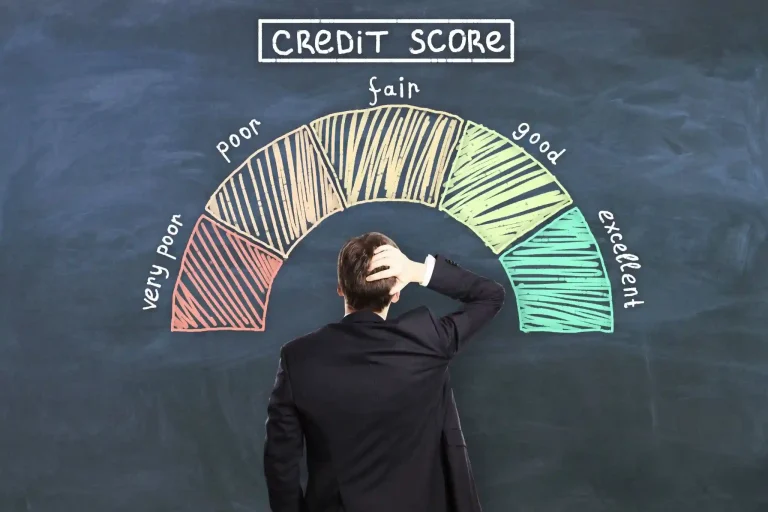
Your credit score is one of the most influential parts of your financial profile. It affects your ability to qualify for loans, secure good interest rates, get approved for housing, finance a car, open credit cards, and even obtain certain jobs. Yet most people do not fully understand what impacts their score the most or how each factor contributes to their rating.
A credit score is not random. It is calculated using specific behaviors that reflect how responsibly you manage credit. When you understand these factors, you gain control over your financial decisions and can make smarter choices that help you build strong credit.
This guide explains in clear terms what impacts your credit score calculation the most, why these factors matter, and how you can improve them over time.
How Credit Scores Are Calculated
The most common scoring model used in the United States is the FICO Score. It breaks down your credit behavior into five weighted categories:
-
Payment history
-
Credit utilization
-
Length of credit history
-
New credit and inquiries
-
Credit mix
Each factor has a specific impact on your overall score. Some factors are more influential than others, and understanding their weight helps you prioritize what to improve.
1. Payment History: The Most Important Factor
Payment history is the single most important element in your credit score. It accounts for roughly 35 percent of the total calculation.
Payment history reflects whether you pay your bills on time. Lenders want to see consistent and responsible repayment habits because it shows that you are low risk.
Payment history includes:
-
On-time payments
-
Late payments
-
Missed payments
-
Accounts sent to collections
-
Bankruptcies
-
Foreclosures
-
Charge-offs
Even one late payment can affect your score. The damage is greater if your payment is more than thirty days late. The later the payment, the more severe the impact.
However, positive payment history builds long-term credit strength. Paying every bill on time is the most effective way to maintain or improve your score.
2. Credit Utilization: The Second Most Influential Factor
Credit utilization affects about 30 percent of your credit score. This factor measures how much of your available credit you are using, especially on revolving accounts like credit cards.
For example:
If your card limit is 5,000 dollars and your balance is 2,500 dollars, your utilization is 50 percent.
Lenders prefer borrowers who keep their utilization low. High utilization suggests financial stress or overreliance on credit.
General guidelines for utilization:
-
Under 30 percent is considered good
-
Under 10 percent is considered excellent
-
Over 50 percent can reduce your score
-
Maxing out a card can significantly lower your rating
Lowering your balances is one of the fastest ways to improve your score.
3. Length of Credit History: How Long You Have Managed Credit
Length of credit history makes up around 15 percent of your score. Lenders like to see a long record of responsible credit behavior.
This category considers:
-
The age of your oldest account
-
The age of your newest account
-
The average age of all accounts
Older accounts help your score. Closing old accounts can reduce the average age, which may lower your score. This is why experts often recommend keeping older accounts open unless there is a financial reason to close them.
4. New Credit and Hard Inquiries
New credit impacts about 10 percent of your score. Every time you apply for a loan or credit card, a hard inquiry appears on your report.
Hard inquiries can temporarily lower your score by a few points. Multiple inquiries in a short period may suggest financial instability, which causes lenders to be more cautious.
However, rate-shopping for a mortgage or auto loan is treated differently. Multiple inquiries for the same type of loan within a short window are counted as one inquiry.
Opening new accounts also affects the average age of your credit history, which ties back to the previous factor.
5. Credit Mix: Types of Credit You Use
Credit mix accounts for around 10 percent of your credit score. Lenders want to see that you can handle different types of credit responsibly.
Common forms of credit include:
-
Credit cards
-
Mortgages
-
Auto loans
-
Personal loans
-
Student loans
You do not need every type of credit to have a strong score. However, having a variety of accounts demonstrates healthy financial behavior. For example, a person with only credit cards may have a lower mix score than someone with both a credit card and an auto loan or student loan.
Other Factors That Influence Your Credit Score Calculation
Although the five major factors determine most of your score, several additional elements can influence your rating indirectly.
1. Total Debt Level
Even if you are making on-time payments, carrying high levels of debt may affect your creditworthiness. Lenders consider your overall debt load when making decisions, especially when it affects your credit utilization.
2. Derogatory Marks
Derogatory marks are serious negative items that can stay on your report for years. Examples include:
-
Collections
-
Charge-offs
-
Civil judgments
-
Tax liens
-
Bankruptcy
These marks can reduce your score significantly and make it harder to qualify for credit.
3. Closing Accounts
Closing accounts reduces available credit and increases utilization, which may lower your score. It may also reduce the age of your credit history. That is why closing accounts should be done carefully.
Which Factor Impacts Your Credit Score Calculation the Most?
Of all the factors, payment history impacts your score the most. It makes up the largest percentage and carries the most weight in determining your reliability as a borrower.
If you pay every bill on time, your score naturally increases. If you have missed payments, the damage can be reversed over time through consistent positive behavior.
The second most important factor is credit utilization. High balances can drag down your score quickly. Paying down credit card balances is often the fastest way to recover points.
Together, payment history and credit utilization account for nearly two-thirds of your score. Focusing on these two areas creates the biggest improvement.
Behaviors That Help Improve Your Credit Score
Here are actions that help raise your credit rating over time.
1. Make All Payments on Time
This is the foundation of credit improvement. Set up automatic payments or reminders to avoid missed due dates.
2. Reduce Your Credit Card Balances
Lowering utilization can boost your score quickly. If possible, aim for under 30 percent, or under 10 percent for maximum improvement.
3. Keep Long-Standing Accounts Open
Closing old accounts reduces your average credit age. Keep them open unless they have high annual fees.
4. Avoid Applying for Too Much New Credit
Space out credit applications. Only apply when necessary.
5. Add Positive Accounts
A secured credit card, credit builder loan, or becoming an authorized user can help improve credit history.
6. Monitor Your Report for Errors
Incorrect information can reduce your score. You are allowed one free credit report from each credit bureau every year. Review it regularly.
Behaviors That Harm Your Credit Score
Several actions can negatively impact your score.
1. Making Late Payments
This is the most harmful behavior. Even one late payment can affect your score for years.
2. Maxing Out Credit Cards
High utilization is a red flag for lenders and significantly lowers your score.
3. Opening Too Many Accounts Quickly
Multiple hard inquiries and new accounts can make lenders view you as a higher risk.
4. Ignoring Debts That Go Into Collections
Collections damage your score. Settling or paying the account can help reduce long-term impact.
5. Closing Accounts Too Often
Closing accounts reduces available credit and increases utilization.
Why Credit Scores Change Over Time
Your credit score responds to patterns of behavior. Some changes cause quick shifts, while others take time.
Examples:
-
Paying down a large credit card balance can increase your score quickly.
-
Applying for new credit may cause a temporary drop.
-
A late payment can reduce your score for months.
-
Consistent on-time payments can build your score steadily.
Understanding these patterns helps you manage your credit more effectively.
Frequently Asked Questions
1. How long does it take to improve a damaged credit score?
Improving a damaged credit score depends on the cause. Paying down balances can increase your score within weeks. Recovering from missed payments takes longer. Most negative marks lose impact after twelve to eighteen months of consistent positive behavior. Full recovery may take several years depending on severity.
2. Does paying off all my credit cards raise my score instantly?
Paying off credit cards often improves your score quickly, especially if utilization was high. However, results depend on your credit report update cycle. Some lenders report monthly, while others update biweekly. While paying off balances helps significantly, overall improvement depends on long-term credit habits.
Conclusion
Understanding what impacts your credit score calculation the most gives you the ability to take control of your financial future. Payment history and credit utilization have the strongest influence, but length of history, new credit, and credit mix also play important roles.
Building strong credit is not about quick tricks or shortcuts. It is about consistent habits, responsible borrowing, timely payments, and keeping balances low. When you focus on these behaviors, your credit score improves naturally and steadily.
With time, discipline, and understanding, you can build a credit profile that supports your goals and provides long-term financial confidence.